
- 1. AI and Automation in Project Management
- 2. Agile and Hybrid Project Management
- 3. Remote Team Management
- 4. Data Analytics for Project Managers
- 5. Sustainability and Social Impact in Project Management
- 6. Project Leadership and Emotional Intelligence
- 7. Advanced Risk Management
- 8. Change Management for Project Managers
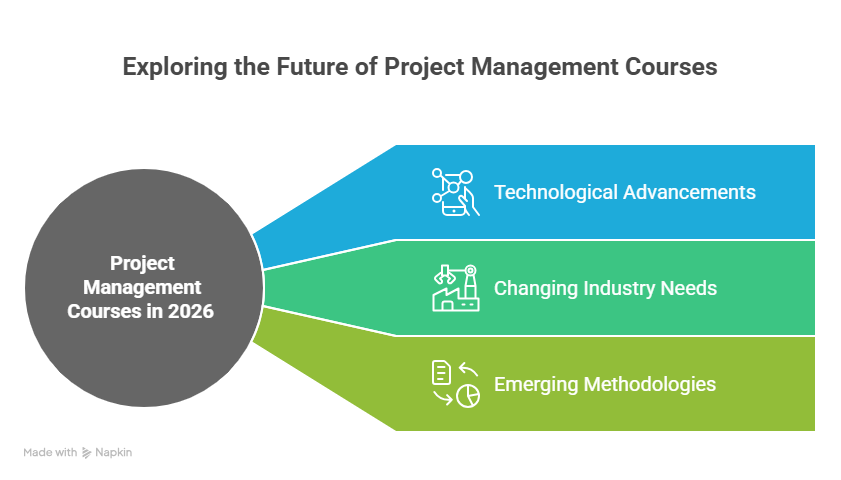
This document provides a speculative overview of project management courses likely to be in demand in 2026. It considers the evolving landscape of project management, including technological advancements, changing industry needs, and emerging methodologies. The aim is to offer insights for individuals seeking to enhance their project management skills and for training providers looking to develop relevant and impactful courses.
he Evolving Landscape of Project Management
The project management field is constantly evolving, driven by technological advancements, globalization, and the increasing complexity of projects. In 2026, we can expect to see further shifts in the skills and knowledge required for successful project management.
- Increased Automation and AI: Artificial intelligence (AI) and automation will play an increasingly significant role in project management, automating tasks such as scheduling, resource allocation, and risk assessment. Project managers will need to understand how to leverage these technologies effectively.
- Data-Driven Decision Making: Project management will become even more data-driven, with project managers relying on data analytics to make informed decisions and track project performance.
- Remote and Distributed Teams: The trend towards remote work is likely to continue, requiring project managers to develop skills in managing distributed teams and fostering collaboration across different locations and time zones.
- Agile and Hybrid Methodologies: Agile methodologies will remain popular, and hybrid approaches that combine agile and traditional project management techniques will become more common.
- Focus on Sustainability and Social Impact: There will be a growing emphasis on sustainability and social impact in project management, with projects increasingly evaluated based on their environmental and social performance.
Key Skills for Project Managers in 2026
Based on these trends, the following skills will be crucial for project managers in 2026:
- Technical Proficiency: Understanding of AI, data analytics, and project management software.
- Agile and Hybrid Project Management: Expertise in agile methodologies and the ability to adapt them to different project contexts.
- Remote Team Management: Skills in communication, collaboration, and conflict resolution in remote team environments.
- Data Analysis and Interpretation: Ability to analyze project data and use it to make informed decisions.
- Strategic Thinking: Ability to align projects with organizational goals and understand the broader business context.
- Sustainability and Social Impact Assessment: Knowledge of sustainability principles and the ability to assess the environmental and social impact of projects.
- Change Management: Skills in managing organizational change and helping teams adapt to new processes and technologies.
- Emotional Intelligence: Ability to understand and manage emotions, build relationships, and lead teams effectively.
- Risk Management: Ability to identify, assess, and mitigate project risks.
- Communication and Stakeholder Management: Ability to communicate effectively with stakeholders and manage their expectations.
Project Management Courses in Demand in 2026
Considering the evolving landscape and the key skills required, the following types of project management courses are likely to be in high demand in 2026:
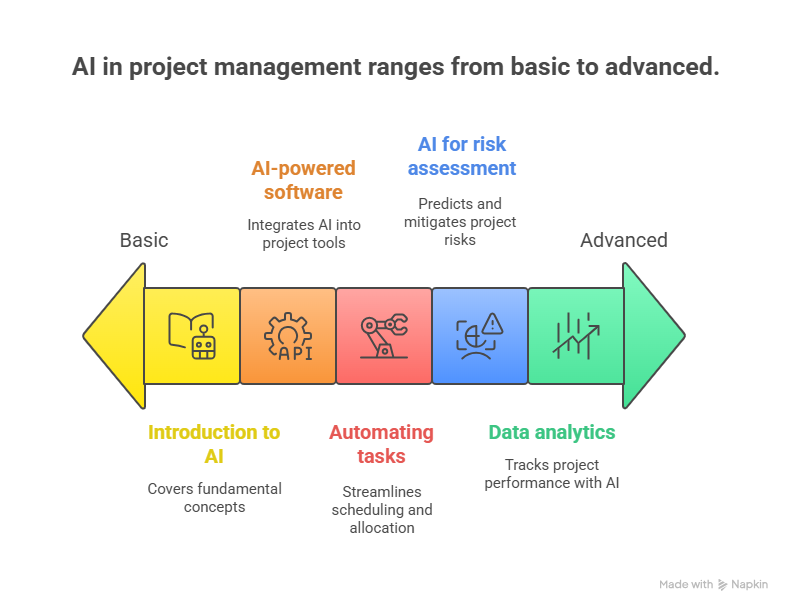
1. AI and Automation in Project Management
These courses will focus on how to leverage AI and automation tools to improve project efficiency and effectiveness. Topics covered may include:
- Introduction to AI and machine learning
- AI-powered project management software
- Automating project tasks such as scheduling and resource allocation
- Using AI for risk assessment and mitigation
- Data analytics for project performance tracking
2. Agile and Hybrid Project Management
These courses will provide in-depth training in agile methodologies and hybrid approaches. Topics covered may include:
- Agile principles and practices (Scrum, Kanban, Lean)
- Scaling agile (SAFe, LeSS)
- Integrating agile with traditional project management methodologies (Waterfall)
- Choosing the right methodology for different project contexts
- Agile leadership and team management
3. Remote Team Management
These courses will focus on the specific challenges and opportunities of managing remote teams. Topics covered may include:
- Communication and collaboration tools for remote teams
- Building trust and rapport in remote environments
- Managing conflict and resolving issues in remote teams
- Setting clear expectations and providing feedback remotely
- Promoting team cohesion and engagement in remote settings
4. Data Analytics for Project Managers
These courses will equip project managers with the skills to analyze project data and use it to make informed decisions. Topics covered may include:
- Data analysis techniques for project management
- Using data visualization tools to communicate project performance
- Identifying trends and patterns in project data
- Using data to improve project forecasting and risk management
- Data-driven decision making in project management
5. Sustainability and Social Impact in Project Management
These courses will focus on integrating sustainability and social impact considerations into project management practices. Topics covered may include:
- Sustainability principles and frameworks
- Assessing the environmental and social impact of projects
- Developing sustainable project plans
- Engaging stakeholders on sustainability issues
- Measuring and reporting on sustainability performance
6. Project Leadership and Emotional Intelligence
These courses will focus on developing leadership skills and emotional intelligence in project managers. Topics covered may include:
- Leadership styles and techniques
- Building and motivating high-performing teams
- Managing conflict and resolving issues
- Communicating effectively with stakeholders
- Developing emotional intelligence skills such as self-awareness, empathy, and social skills
7. Advanced Risk Management
These courses will delve deeper into risk management techniques and strategies. Topics covered may include:
- Quantitative risk analysis
- Risk simulation and modeling
- Developing risk response plans
- Monitoring and controlling project risks
- Integrating risk management into project governance
8. Change Management for Project Managers
These courses will equip project managers with the skills to manage organizational change effectively. Topics covered may include:
- Change management models and frameworks
- Identifying and managing resistance to change
- Communicating change effectively
- Engaging stakeholders in the change process
- Implementing change initiatives successfully
Course Delivery Methods
In 2026, we can expect to see a variety of course delivery methods, including:
- Online Courses: Self-paced or instructor-led online courses will continue to be popular, offering flexibility and convenience.
- Blended Learning: Courses that combine online learning with in-person workshops or seminars will provide a more interactive and engaging learning experience.
- Virtual Reality (VR) and Augmented Reality (AR): VR and AR technologies may be used to create immersive learning experiences, such as simulating project environments or practicing project management skills in a virtual setting.
- Microlearning: Short, focused learning modules will allow project managers to quickly acquire specific skills or knowledge.
Conclusion
The project management field is dynamic and constantly evolving. By understanding the trends shaping the future of project management and developing the necessary skills, project managers can position themselves for success in 2026 and beyond. The courses outlined in this document provide a roadmap for individuals seeking to enhance their project management capabilities and for training providers looking to develop relevant and impactful programs.