
B.Sc. in Computer Science: Your Comprehensive Guide
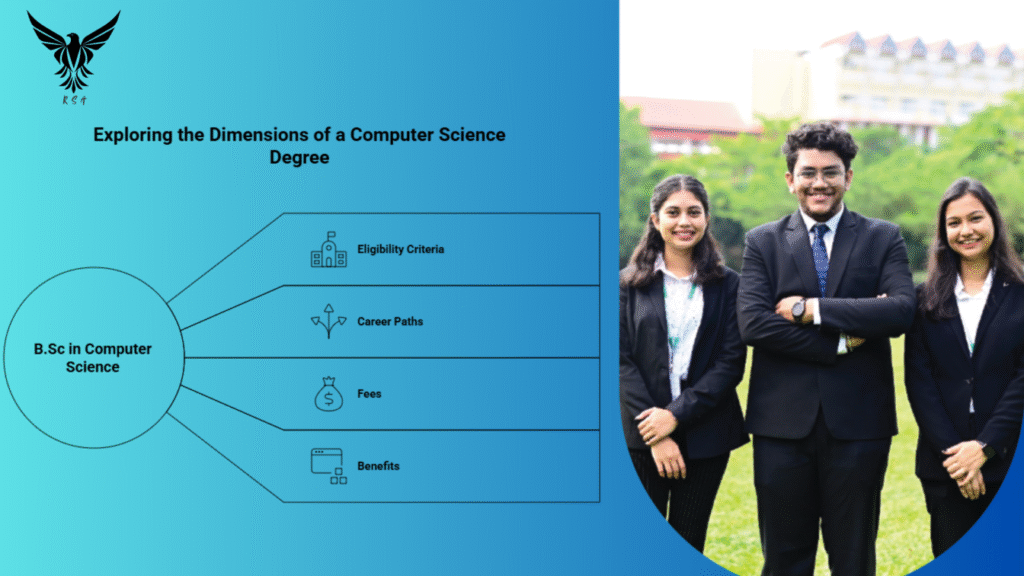
This blog post serves as a comprehensive guide to understanding the Bachelor of Science in Computer Science (B.Sc. CS) degree. We’ll delve into the eligibility criteria, explore diverse career paths, discuss the associated fees, highlight the numerous benefits of pursuing this degree, and address other frequently asked questions. Whether you’re a prospective student or simply curious about the field, this guide will provide valuable insights.B.Sc in Computer Science: Eligibility, Career, Fees, Benefits & More B.Sc in Computer Science
What is B.Sc. Computer Science?
A B.Sc. in Computer Science is an undergraduate academic degree that provides students with a strong foundation in the theoretical and practical aspects of computing. The curriculum typically covers a wide range of topics, including:B.Sc in Computer Science: Eligibility, Career, Fees, Benefits & More
- Programming: Learning various programming languages like Python, Java, C++, and more.
- Data Structures and Algorithms: Understanding fundamental data organization and problem-solving techniques.
- Database Management Systems: Learning how to design, implement, and manage databases.
- Operating Systems: Understanding the principles behind operating systems and their functionalities.
- Computer Networks: Learning about network architectures, protocols, and security.
- Software Engineering: Understanding the principles and practices of software development.
- Mathematics: Applying mathematical concepts to computer science problems.B.Sc in Computer Science
Eligibility Criteria
The eligibility criteria for a B.Sc. in Computer Science can vary slightly depending on the university or college. However, the general requirements are as follows:
- Educational Qualification: Candidates must have completed their 10+2 (or equivalent) from a recognized board.
- Subjects: A science stream background with mathematics as a compulsory subject is generally required. Some institutions may also require physics and/or chemistry.B.Sc in Computer Science: Eligibility, Career, Fees, Benefits & More
- Minimum Marks: A minimum aggregate score in 10+2 is usually specified, often around 50% to 60%. This percentage can vary depending on the institution’s admission policies.
- Entrance Exams: Some universities or colleges may conduct their own entrance exams for admission to the B.Sc. Computer Science program.
3. Eligibility Criteria
| Requirement | Description |
|---|---|
| Education | 10+2 from recognized board |
| Stream | Science with Physics + Mathematics |
| Minimum Marks | 50% (varies by college) |
| Entrance Exam | Required by some universities |
It’s crucial to check the specific eligibility criteria of the institutions you are interested in applying to.B.Sc in Computer Science: Eligibility, Career, Fees, Benefits & More
Career Opportunities After B.Sc. Computer Science
A B.Sc. in Computer Science opens doors to a wide array of career opportunities in the ever-evolving tech industry. Here are some popular career paths:
- Software Developer: Designing, developing, and testing software applications for various platforms.
- Web Developer: Creating and maintaining websites and web applications.
- Data Scientist: Analyzing large datasets to extract insights and solve business problems.
- Database Administrator: Managing and maintaining databases to ensure data integrity and availability.
- Network Engineer: Designing, implementing, and managing computer networks.
- System Analyst: Analyzing user needs and designing computer systems to meet those needs.
- Cybersecurity Analyst: Protecting computer systems and networks from cyber threats.
- Game Developer: Creating video games for various platforms.B.Sc in Computer Science
- Mobile App Developer: Developing mobile applications for iOS and Android devices.
- IT Consultant: Providing IT solutions and advice to businesses.IT Consultant: Providing IT solutions and advice to businesses.
These are just a few examples, and the specific career path you choose will depend on your interests, skills, and further education.
Fees Structure
The fees for a B.Sc. in Computer Science can vary significantly depending on the type of institution (government or private), its location, and its reputation.B.Sc in Computer Science: Eligibility, Career, Fees, Benefits & More
- Government Colleges: Fees in government colleges are typically lower, ranging from INR 10,000 to INR 50,000 per year.
- Private Colleges: Fees in private colleges can be significantly higher, ranging from INR 50,000 to INR 2,00,000 or more per year.
In addition to tuition fees, students may also need to pay for other expenses such as hostel accommodation, books, and other academic materials. It’s advisable to research the fee structure of different colleges and universities to get a clear understanding of the overall cost.
. Average Fees
| Institution Type | Approx. Annual Fees |
|---|---|
| Government Colleges | ₹10,000 – ₹50,000 |
| Private Colleges | ₹50,000 – ₹2,00,000 |
| Premier Institutes | ₹2,00,000 – ₹3,00,000 |
Benefits of Pursuing a B.Sc. in Computer Science
A B.Sc. in Computer Science offers numerous benefits, making it a highly sought-after degree:
- High Demand: The demand for computer science professionals is constantly growing, ensuring excellent job prospects.
- Lucrative Salaries: Computer science graduates typically earn competitive salaries, especially with experience and specialized skills.
- Intellectual Stimulation: The field of computer science is intellectually stimulating and challenging, offering opportunities for continuous learning and growth.
- Innovation and Creativity: Computer science allows you to be creative and innovative, developing new technologies and solutions to real-world problems.B.Sc in Computer Science: Eligibility, Career, Fees, Benefits & More
- Global Opportunities: Computer science skills are in demand globally, providing opportunities to work in different countries and cultures.
- Versatility: The skills acquired in a B.Sc. Computer Science program are versatile and applicable to various industries.
- Entrepreneurial Opportunities: A strong foundation in computer science can empower you to start your own tech company or develop innovative software products.
Skills Acquired During the Program
Throughout the B.Sc. Computer Science program, students develop a wide range of technical and soft skills, including:
- Programming Skills: Proficiency in various programming languages.
- Problem-Solving Skills: Ability to analyze problems and develop effective solutions.
- Analytical Skills: Ability to analyze data and draw meaningful conclusions.
- Critical Thinking Skills: Ability to evaluate information and make informed decisions.
- Communication Skills: Ability to communicate technical information effectively to both technical and non-technical audiences.B.Sc in Computer Science: Eligibility, Career, Fees, Benefits & More
- Teamwork Skills: Ability to collaborate effectively with others on projects.
- Time Management Skills: Ability to manage time effectively and meet deadlines.
Further Education Options
After completing a B.Sc. in Computer Science, students can pursue further education to specialize in a particular area or enhance their career prospects. Some popular options include:B.Sc in Computer Science: Eligibility, Career, Fees, Benefits & More
- Master of Science (M.Sc.) in Computer Science: A postgraduate degree that provides advanced knowledge and skills in computer science.
- Master of Computer Applications (MCA): A professional degree focused on software development and applications.
- Master of Business Administration (MBA): A postgraduate degree that combines business and technology skills.B.Sc in Computer Science: Eligibility, Career, Fees, Benefits & More
- Specialized Certifications: Obtaining certifications in specific technologies or areas of expertise can enhance your skills and career prospects.B.Sc in Computer Science: Eligibility, Career, Fees, Benefits & More
Conclusion
A B.Sc. in Computer Science is a valuable degree that provides a strong foundation for a successful career in the tech industry. With its diverse career opportunities, lucrative salaries, and intellectual stimulation, it’s an excellent choice for students who are passionate about technology and problem-solving. By understanding the eligibility criteria, fees, benefits, and career paths associated with this degree, you can make an informed decision about your future. Remember to research different institutions and programs to find the best fit for your individual needs and aspirations. Good luck!B.Sc in Computer Science: Eligibility, Career, Fees, Benefits & More
B.Sc Computer Science – Frequently Asked Questions
• Government Colleges: ₹10,000 – ₹50,000 per year
• Private Colleges: ₹50,000 – ₹2,00,000 per year
• Top Institutes: ₹2,00,000 – ₹3,00,000 per year